
Uganda’s Expanding Tourism Landscape: New National Parks and Emerging Destinations
Discover Uganda’s expanding tourism landscape, from emerging national parks and wildlife destinations to Karamoja, Lake Bunyonyi, Sipi Falls, Jinja and beyond.
Uganda is opening up a new chapter in African travel.
Beyond the famous mountain gorillas of Bwindi, the chimpanzees of Kibale and the sweeping savannahs of Queen Elizabeth National Park, a growing number of emerging destinations in Uganda are creating new opportunities for travellers seeking wildlife, culture, adventure and authentic experiences.
Recent conservation initiatives, investment in protected areas and growing interest in lesser-known destinations are helping expand Uganda’s tourism landscape. For travellers planning a Uganda safari, this means more places to explore, more diverse experiences and more opportunities to discover the country beyond the traditional safari circuit.
From papyrus wetlands and montane forests to savannah plains, volcanic landscapes and the source of the Nile, Uganda continues to live up to its reputation as the Pearl of Africa.
A New Era for Uganda’s Protected Areas
Uganda’s protected area network is evolving, with conservation efforts creating opportunities to bring more of the country’s diverse landscapes and ecosystems into the tourism experience.
The expansion and strengthening of protected areas is important not only for wildlife conservation in Uganda, but also for communities living around these natural landscapes.
For travellers, the result is an exciting range of experiences from canoe safaris and birdwatching to chimpanzee trekking, cultural encounters, hiking and traditional game drives. The emerging destinations also provide opportunities to spread tourism beyond Uganda’s best-known national parks, helping visitors discover a wider and more authentic side of the country.
Six Emerging National Parks to Watch in Uganda
1. Bukaleba National Park
Located along the northern shores of Lake Victoria in Mayuge District, Bukaleba offers a fascinating wetland environment with extensive papyrus ecosystems and rich birdlife.
The wetlands provide habitat for species such as sitatunga, vervet monkeys and black-and-white colobus monkeys, while birdwatchers can explore an impressive variety of wetland and forest species.
Guided boat excursions could offer visitors an opportunity to experience this ecosystem from the water, making Bukaleba particularly interesting for travellers looking for an alternative to conventional game drives.
Why visit: Wetland wildlife, birdwatching, boat excursions and nature photography.
2. Echuya National Park
Situated in the Albertine Rift between Kisoro and Rubanda, Echuya is known for its montane bamboo forests and remarkable biodiversity.
The Albertine Rift is one of Africa’s most biologically important regions, and Echuya provides opportunities to explore a very different environment from Uganda’s savannah parks.
Birdwatchers can look for Albertine Rift endemics and other forest species, while visitors interested in cultural tourism can learn about the longstanding relationship between the Batwa people and the forest.
Why visit: Montane forests, birdwatching, biodiversity and cultural experiences.
3. Kyambura National Park
Located close to Queen Elizabeth National Park, Kyambura offers a dramatic landscape dominated by its famous forested gorge.
The area is particularly associated with chimpanzee trekking, allowing visitors to combine primate experiences with a wider western Uganda safari.
Its location also makes it possible to include Kyambura within a longer itinerary covering Queen Elizabeth National Park, Kibale Forest, Bwindi and other destinations in southwestern Uganda.
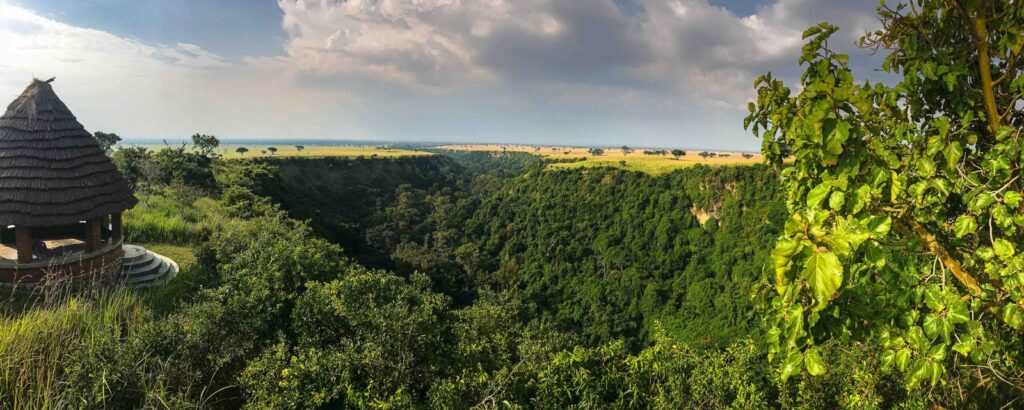
Why visit: Chimpanzee trekking, forest walks, photography and combination safaris.
4. Kigezi National Park
Kigezi brings together a mixture of savannah, woodland and rolling hills, creating a varied landscape for wildlife viewing and photography.
Visitors can encounter species such as elephants, buffaloes, Uganda kob and topi, alongside a wide variety of bird species.
For travellers interested in exploring less-visited wildlife areas, Kigezi represents an opportunity to experience another side of Uganda’s savannah ecosystems.
Why visit: Game viewing, birdwatching, photography and scenic landscapes.
5. Tooro National Park
The landscapes around Lake Albert and the foothills of the Rwenzori Mountains create a spectacular setting for wildlife and nature experiences.
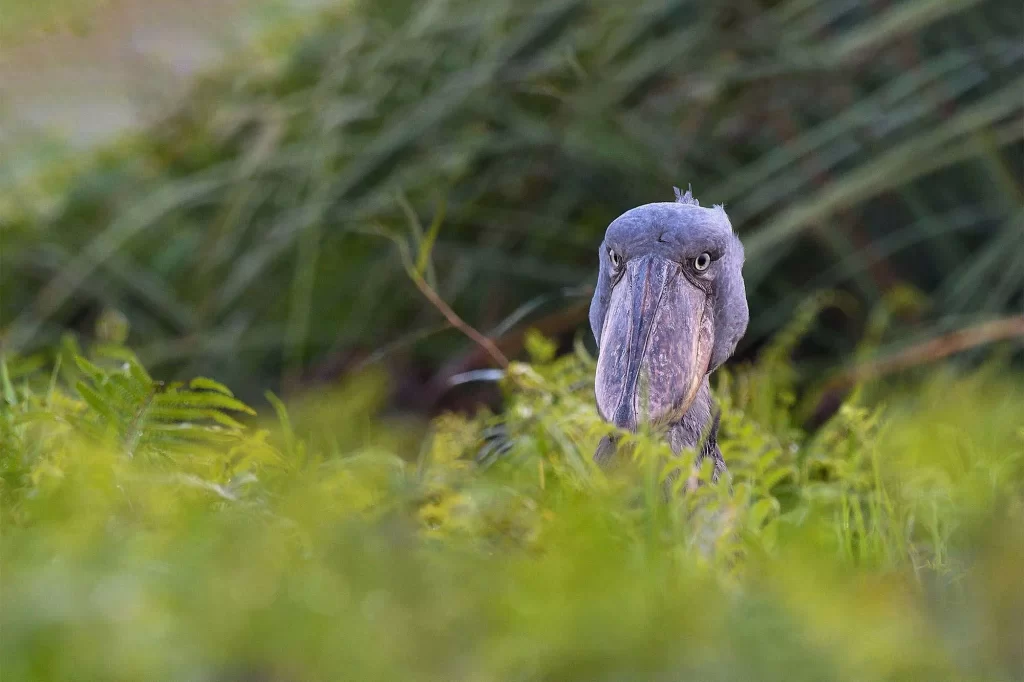
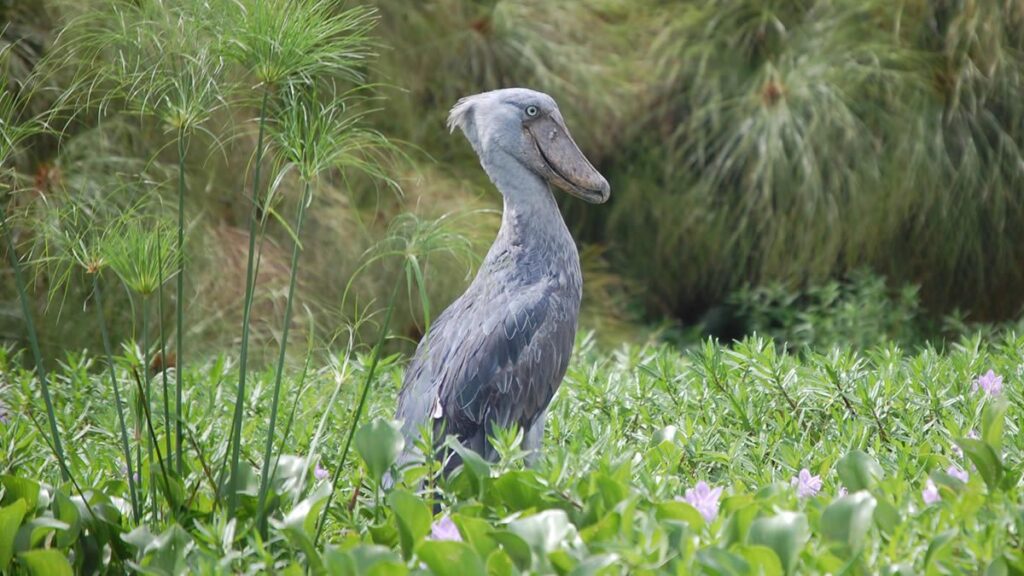
Tooro combines savannah and wetland environments, supporting a diverse range of wildlife and bird species. For birdwatchers, the possibility of encountering the shoebill adds another attraction.
The surrounding landscapes also provide opportunities for combining wildlife experiences with scenic drives and cultural exploration in western Uganda.
Why visit: Birdwatching, wildlife viewing, Lake Albert landscapes and scenic exploration.
6. Katonga National Park
For travellers looking for something quieter and more immersive, Katonga offers a different kind of safari experience.
The wetlands surrounding the Katonga River are particularly suited to canoe safaris, allowing visitors to move through papyrus channels while observing wetland wildlife and birdlife.
Sitatunga and shoebills are among the species associated with the area, making Katonga especially attractive to birdwatchers, photographers and travellers who prefer slower-paced nature experiences.
Why visit: Canoe safaris, wetlands, birdwatching, photography and wildlife
Emerging Uganda Travel Destinations Worth Exploring
Uganda’s tourism story extends far beyond its national parks.
Across the country, emerging destinations are giving travellers more reasons to stay longer and explore deeper.
Karamoja: Uganda’s Wild Frontier
In northeastern Uganda, Karamoja offers dramatic landscapes, distinctive cultural traditions and some of the country’s most adventurous travel experiences.
Travellers can experience traditional pastoral communities, explore ancient rock art and discover the rugged landscapes surrounding Kidepo Valley.
For those looking for a less conventional Uganda safari, Karamoja offers a combination of wildlife, culture, landscapes and community tourism that is difficult to replicate elsewhere.
West Nile: Discover Uganda Off the Beaten Track
West Nile remains one of Uganda’s lesser-explored regions, making it particularly appealing to adventurous travellers.
The region offers rolling landscapes, forests, cultural diversity and natural attractions that can be incorporated into longer northern Uganda itineraries.
For travellers who want to go beyond the established tourist routes, West Nile provides an opportunity to experience a different side of Uganda.
Lake Bunyonyi: Uganda’s Scenic Highland Escape
Surrounded by steep terraced hills and dotted with small islands, Lake Bunyonyi is one of southwestern Uganda’s most scenic destinations.
It is also an ideal addition to a gorilla trekking itinerary.
After the excitement of trekking through the forests of Bwindi, travellers can slow down with a canoe trip, explore the islands, enjoy the surrounding landscapes or simply relax beside the lake.
Lake Bunyonyi is particularly well suited to travellers looking to combine adventure with relaxation.
Semuliki Valley: Where Uganda Meets the Congo Basin
Semuliki offers a completely different ecological experience.
Located in western Uganda, the valley is influenced by the neighbouring Congo Basin, resulting in tropical lowland rainforest, remarkable biodiversity and unique wildlife.
The famous Semuliki hot springs add another dimension to the experience.
For nature lovers, birdwatchers and travellers interested in Uganda’s lesser-known ecosystems, Semuliki is a destination worth adding to the itinerary.
Sipi Falls and Mount Elgon: Hiking, Coffee and Culture
Eastern Uganda offers an increasingly popular combination of adventure, hiking and coffee tourism.
The spectacular Sipi Falls provide a dramatic backdrop for hiking and photography, while the slopes of Mount Elgon offer opportunities for trekking and exploring local communities.
Coffee lovers can also visit farms to learn about the production of locally grown Arabica coffee, from cultivation to processing.
This combination makes the region particularly attractive to travellers who want their Uganda holiday to include more than wildlife.
Entebbe and Mabamba Wetlands: A Birdwatcher’s Gateway
A trip to Uganda does not have to begin with a long drive into the countryside.
The wetlands around Entebbe and Mabamba provide excellent opportunities for birdwatching, including the chance to search for one of Africa’s most sought-after birds — the shoebill.
For international visitors, the area can work particularly well at the beginning or end of a Uganda safari, allowing travellers to add a rewarding birding experience without significantly changing their itinerary.
Jinja: Uganda’s Adventure Capital
For travellers looking for adrenaline, Jinja offers an entirely different experience.
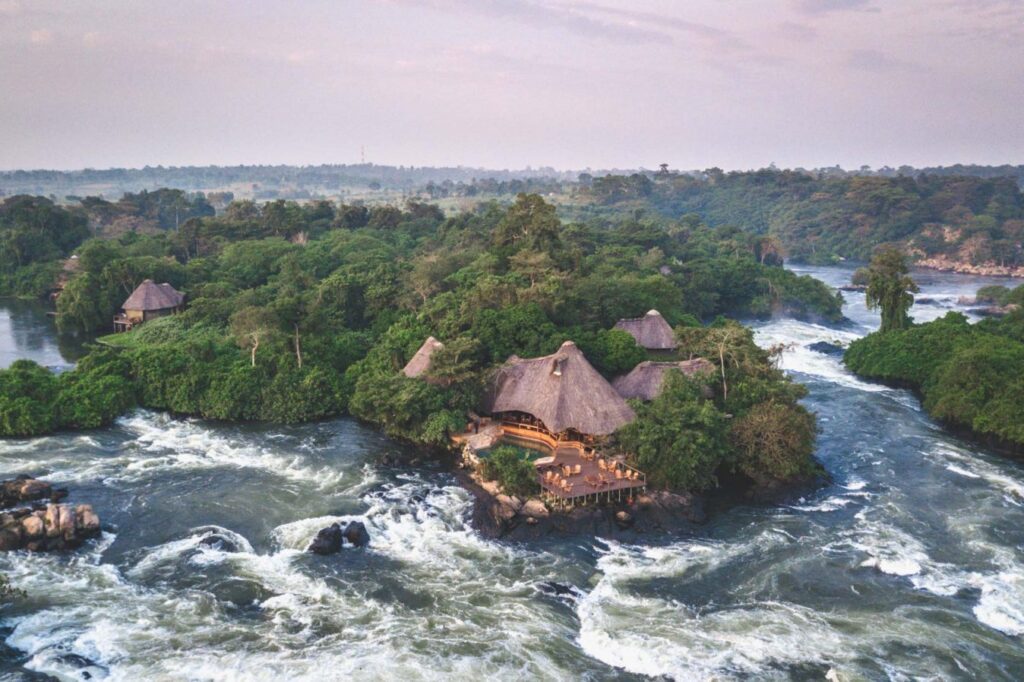
Located along the River Nile, Jinja is associated with activities including:
- White-water rafting
- Kayaking
- Zip-lining
- Bungee jumping
- Boat cruises
- Cycling
- Cultural experiences
The destination can easily be incorporated into a longer Uganda itinerary, particularly for travellers who want to combine wildlife with adventure and outdoor activities
When Is the Best Time to Visit Uganda?
The best time to visit Uganda depends largely on the experiences you want to have.
The country’s June to September and December to February dry seasons are generally popular periods for safari, gorilla trekking, chimpanzee trekking and road-based travel.
However, Uganda is a year-round destination.
The wetter months can bring lush landscapes, fewer visitors and excellent conditions for certain birdwatching experiences. Migratory birds can also add to the attraction for birding enthusiasts.
Rather than simply asking “When is the best time to visit Uganda?”, it is often more useful to ask:
“What do you want to experience in Uganda?”
Your answer can determine the best season and itinerary for your trip.
Why Uganda’s Expanding Tourism Landscape Matters
Uganda’s growing tourism landscape represents more than the creation of new places for travellers to visit.
It creates opportunities to:
Protect biodiversity.
Expanding conservation efforts can help safeguard important habitats and wildlife.
Support local communities.
Tourism can generate employment, business opportunities and income for communities surrounding protected areas.
Diversify tourism experiences.
Travellers can go beyond traditional game drives and experience wetlands, forests, mountains, culture, coffee, adventure and community tourism.
Encourage longer stays.
With more destinations available, visitors can build multi-region itineraries rather than concentrating their entire trip around a handful of attractions.
Discover a different Uganda.
Some of the country’s most memorable experiences can happen away from the established tourist routes.
Discover the Pearl of Africa Beyond the Ordinary
Uganda’s appeal has never been limited to one experience.
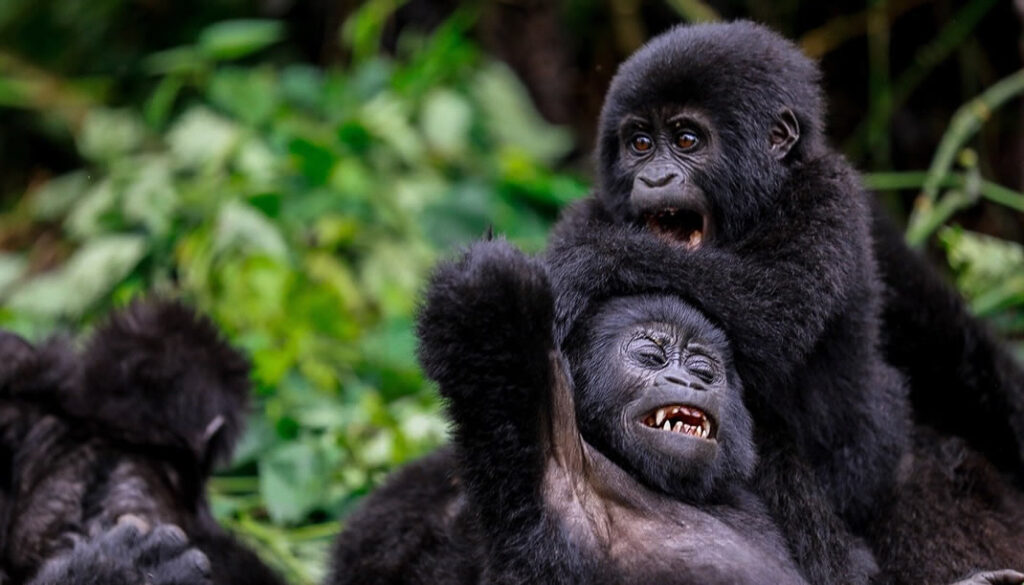
It is the thrill of watching a mountain gorilla emerge from the forest.
It is the silence of a canoe moving through a papyrus wetland.
It is a chimpanzee calling somewhere deep inside the forest.
It is the sight of elephants crossing a savannah at sunset.
It is coffee grown on the slopes of Mount Elgon.
It is the rhythm of cultural traditions that have survived for generations.
And sometimes, it is simply turning a corner on an unfamiliar road and discovering something you never expected.
Uganda tourism is expanding the safari experience and there is still so much of the Pearl of Africa waiting to be discovered.
Planning a Uganda safari, gorilla trekking adventure, wildlife holiday or tailor-made East African journey?
Let Miroi Africa Safaris help you explore Uganda beyond the ordinary, with carefully designed itineraries that combine wildlife, nature, culture, adventure and authentic local experiences.
Your Uganda adventure starts with a journey. Let’s make it one worth remembering.